
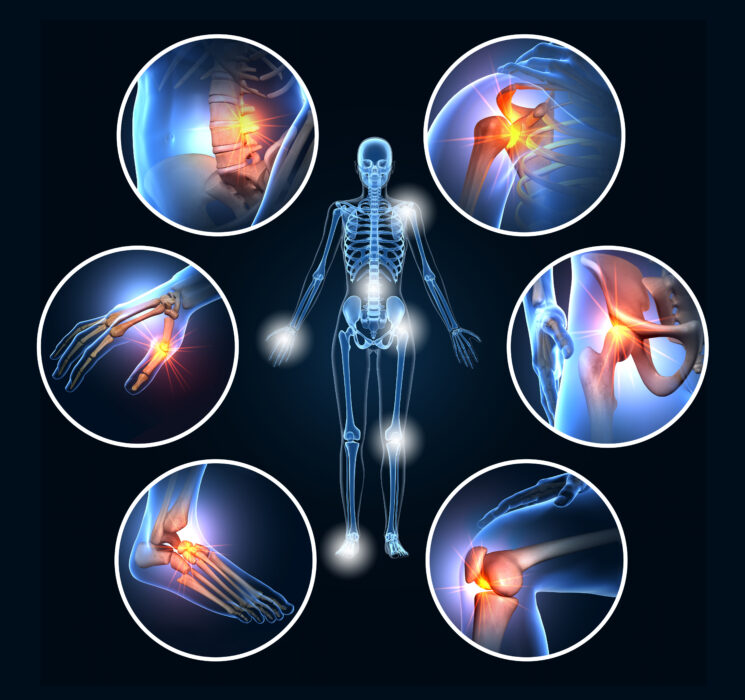
Can you restore health to joints? What about other autoimmune conditions?
Many of my clients have rheumatoid arthritis—a very painful and movement limiting and therefore lifestyle limiting health condition.
They ask me: What. if anything, can they do to address this other than steroids, Disease Modifying Anti-Rheumatic Drugs (DMARDS), or non-steroidal anti-inflammatory drugs (NSAIDs) to relieve the pain, stiffness, and swelling? the problems with these medications include various side effects, as well as toxicity for the kidneys, the liver, and the heart.
Are you hopeless after being diagnosed and told there is no alternative except to take drugs for the rest of your life? This is not true. It is possible to relieve rheumatoid arthritis or any autoimmune condition without drugs.
In short, there is hope! That said, the longer any condition has existed, and the more damage the underlying imbalance has caused, the harder it is to relive of even reverse it and/or stop the slow progression. This is true with diabetes and any other health condition.
A key factor is a willingness to do what it takes. Today’s “healthcare” system is really a sick care system. Many of us only see a doctor or go to the hospital when we are sick. Even our annual exam is designed to see if we are sick or if we are developing disease—not the degree to which we are well or how to restore balance—the idea of prevention is boiled down to “early detection”. Restoring balance can eliminate the “need” for many (most) prescription drugs; few medical doctors in today’s healthcare system are trained in nutrition or given time to discuss it with their patients due to the 8 minute rule that sets billing and insurance reimbursement by time spent. Not surprisingly, if the only answer is a prescription pad, few patients know how to make therapeutic dietary and lifestyle changes. Insurance very rarely covers nutrition consultations (although health savings / flexible spending accounts usually do). Medical school students (I was one of them) are taught that people don’t change—the only “solution” offered is lifelong medications to manage symptoms. of course these come with other effects and additional medications to address those.
An educated and motivated individual can reverse or even eliminate rheumatoid arthritis, other autoimmune conditions, even most “lifelong” health conditions. That’s why I spend much of my time developing handouts backed by science from the medical literature. Medical doctors and hospitals certainly have their place in acute care when the person needs an intervention. Note: Interventions should be short-term; “rest of your life” is not short-term. Diet and lifestyle paired with natural remedies can reverse, or at least hold at bay, disease progression. Sadly, many of my clients whose autoimmune (or Lyme or high blood pressure or diabetes…) return to a prescription for their condition. They aren’t typically told “great job”. Instead, they are met with skepticism that this could be a permanent improvement rather than a lasting one.
The truth is, the habits of an entire individual’s life only showed up as horrible symptoms recently, those habits are what got them to this unwanted condition in the first place—they simply developed slowly and weren’t noticed until now. It is a complete mistake to discard a lifelong of incompatible foods, inflammatory foods, guessing about supplements and excess weight and other imbalances long enough that eventually (or not so eventually) there are debilitating symptoms.
This is extremely true for rheumatoid arthritis a chronic inflammatory, autoimmune disease resulting in joint inflammation that manifests as swelling, pain, impaired movement and muscle wasting. Rheumatoid arthritis is also associated with increased risk of cardiovascular disease and osteoporosis. and can be both localized and systemic inflammation with elevated pro-inflammatory cytokines (small proteins released mainly by immune system cells that regulate and coordinate the body’s immune responses inflammation, and repair processes). These include interleukin-6 (IL-6), interleukin-1b (IL-1b), tumour necrosis factor-a (TNF-a), and acutephase proteins
 Foods that trigger the release of pro-inflammatory cytokines, these increase inflammation in the body and the swelling, pain, fatigue, and other symptoms. As a start, these include:
- packaged foods with added sugars (if it has a label, it likely has many) and please be selective with home cooking (choose raw honey, maple syrup and coconut/palm sugars),
- processed food especially refined carbohydrates (all breads, pasta, my favorite pizza, and most other packaged foods even with the “health label—sorry), deserts,
- trans fats (processed foods especially deep fried chicken and french fries and other fried fast foods, commercial baked goods (cakes, cookies and their boxed mixes…), snack foods (most chips and especially microwaved anything that has any oil in it), heated omega-3 or omega-6 oils (omega 3: avocado and oil, all fatty fish like salmon, mackeral, sardines…, walnuts and oil, flax and chia seeds…; omega 6: all seeds and their oils, all nuts and their oils, soy and soy products plus if not organic they are GMO, note: premade foods have imbalanced polyunsaturated fats due to using cheap seed oils like canola, soy, peanut, corn, sunflower , safflower, cottonseed… We need both omega-3 and omega-6 but in a 1:1 ratio. The 40 or so to 1 omega-6:omega-3 ratio due mainly to consuming convenience foods is extremely inflammatory. Supplements containing omega-3 fats will not create balance as the omega-6 fats are used first by the body to prolong inflammation as the first step in healing any injury—a necessary step—however, it needs to complete for rebuilding to start as coordinated by omega-3 fats and can’t until the excess omega-6 is used up. Pain, swelling, and fatigue continue…)
- processed meats all deep fried item can elevate inflammatory markers(most deli meats contain artificial preservatives, fillers, and/or added nitrates/sodium diacetate or sodium erythorbate as preservatives. While oven roasted turkey breast, chicken breast, or roast beef are better options, if brined they often contain water to add weight, salt, those preservatives, sugars/sweeteners like dextrose, corn syrup, or sugar to balance the saltiness, garlic and paprika/pepper and other spices that cause inflammatory reactions in many…), pork or beef sausage, salami, pepperoni, prosciutto…
The four stages of rheumatoid arthritis:
- Stage 1: Early/Synovitis (Inflammation of the joint lining—synovium): The immune system attacks the synovium (joint lining), causing inflammation, tenderness, stiffness, and swelling. There is typically no severe joint damage in this stage.
- Stage 2: Moderate/Cartilage Damage: Inflammation spreads, causing cartilage that protects the bones to become damaged. Symptoms like reduced range of motion, pain, and stiffness become more frequent.
- Stage 3: Severe/Bone Erosion: Damage progresses to the bone itself, resulting in bone erosion. Visible deformities, such as finger twisting, may appear, and reduced strength and movement are common.
- Stage 4: End-Stage/Fusion (Ankylosis): The inflammatory process may slow, but damage is severe, often resulting in ankylosis (fusion) of the joint. This leads to permanent, severe damage and significant loss of function.
Rheumatoid arthritis, osteoarthritis, and inflammation
“Arthritis” defined means inflamed joints. This is a nonspecific meaning with no underlying reason for the inflammation. For example, colitis is inflammation of the colon, appendicitis is inflammation of the appendix, tonsillitis involves the tonsils… got this? It is inflammation that causes pain, fatigue, crankiness (well, if you have pain and so tired you aren’t dong what you’d like…). Without knowing the exact cause of the inflammation the best that can happen is medicate the symptoms, favor the painful joint, and ultimately surgery.
There are fundamental differences between osteoarthritis and rheumatoid arthritis. While both involve joint inflammation that degrades the cartilage to cushions joints, the inflammation of osteoarthritis is often caused by weight bearing and mechanical wear and tear while rheumatoid arthritis is an autoimmune disease. Osteoarthritis tends to have more discomfort after activit and use while rheumatoid arthritis tends to feel worse on waking and feel better with some motion. Rheumatoid arthritis tends to involve the same joint(s) on both sides of the body. In both cases, when cartilage degradation becomes really bad, replacement or rebuilding is the main answer. This doesn’t have to happen.
The question is: what is causing the inflammation? We can find what it is and fix that using the precision of Nutrition Response Testing ideally when Stage 1 and before it progresses through more serious stages.
Rheumatoid Arthritis and autoimmune factors
Rheumatoid arthritis boils down to inflammation caused by an autoimmune problem. Finding out what, exactly, is triggering the autoimmune response and addressing that enables reducing and sometimes eliminating the body’s attack on itself.
Short of common medications, what can be done?
First, remove dietary sources of inflammation and resulting oxidative stress (meaning insufficient antioxidants with the accumulation of free radicals that damage cells). inspect your home, workspace and vehicle for toxic chemicals especially scented products like air fresheners, scented laundry products, scented candles… install new furniture and/or carpets durng seasons when you can open windows as they outgas
The immune system should eradicate damaged cells. In autoimmune, it also attacks healthy cells: Cane, corn, agave sugars; all grass family grains (wheat, corn, oats, rice, rye, barley), and dairy. Then head on over to this article where I’ve created a meal plan specifically for autoimmune situations—try the ones that look good.
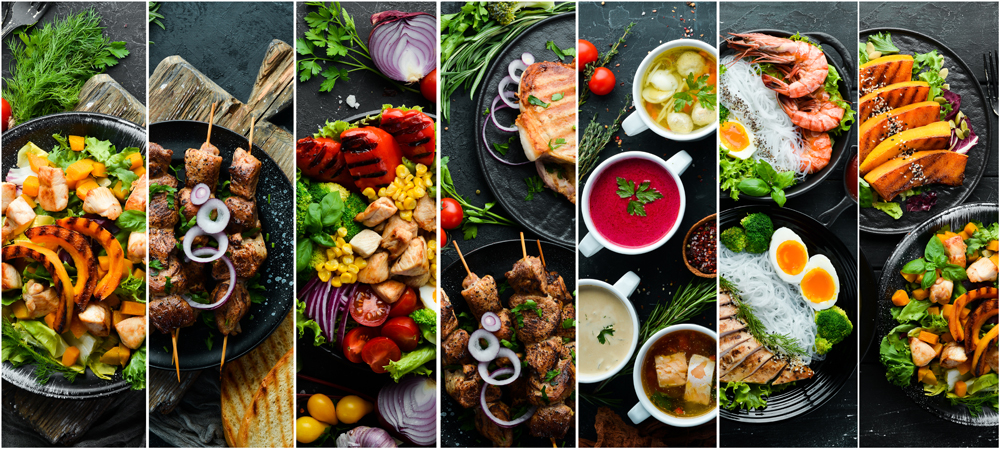 Having done that, there are a few foods and beverages with clinical trials showing their effectiveness in reducing the inflammation that causes autoimmune flare-ups:
- Pomegranate juice has led to promising outcomes in clinical trials for the management of RA symptoms, related to its antioxidant and anti-inflammatory activities.
- Currants, Gooseberries, and jJostaberries (and other flowering shrubs known as ribes) are very high in antioxidant and anti-inflammatory compounds and have been shown to reduce the inflammation and pain of both rheumatoid and osteo arthritises.
- Omega-3 fats: Most of us don’t get enough and get far too much omega-6 fats. Choose fatty fish like salmon, mackerel, sardines; omega-3 (and protein) rich flax and chia seeds, walnuts, oysters and mussels, grass-fed (not grain fed or finished) meats, eggs and meat from pastured hens (not those kept captive, even so-called and meaningless “cage free” and sometimes “free range”)
- Green tea: It’s major anti-inflammatory compound epigallocatechin-3-gallate (EGCG) is well-documented to reduce inflammation in the context of inflammatory arthritis. Considering osteoarthritic and rheumatoid cartilage, EGCG also has a protective effect on joint tissues by slowing collagen breakdown
- Resveratrol is a well-known and thoroughly studied antioxidant abundant in various foods such as red grape skins, red wine, certain berries (blueberries, cranberries, mulberries, strawberries) and peanuts. Try this ginger berry protein smoothie recipe.
- Milk Thistle contains a compound called silymarin, also called silibinin or silybim depending. Not in foods we’d care to eat, milk thistle and it’s extracts are usually made into tea or supplements. Milk thistle supports liver detoxification functions by binding toxic metals for elimination, increasing the antioxidant glutathione, and can increase the programmed cell death of defective cells including T-lymphocytes making antibodies against healthy tissues. Silymarin also regulates and balances immune function. Drinking milk thistle tea allows your body to choose what to do with its active compounds. Please don’t take supplements/tinctures without guidance.
- Curcumin from Turmeric: When coupled with black pepper (piperine) and healthy fats, turmeric/curcumin effects are enhanced—absorption in the digestive tract as well as slowed breakdown by the liver are a must for curcumin to work. How curcumin works is by reducing inflammatory chemicals made by the immune system to reduce swelling and pain. Cook with the turmeric spice n recipes that include pepper and healthy fats (curry recipes, my turmeric latte recipe…)
- Common Dandelion: What better way to weed then to use dandelions as an autoimmune remedy. Dandelion helps the liver drain more bile taking with it toxic chemicals and metals for elimination in the gut. Compounds in Dandelion also reduce inflammatory compounds made by mast cells and macrophages (the latter involved in cardiovascular plaque formation). Eat the weeds with this Dandelion greens recipe as long as you don’t use chemicals on them, or buy and drink dandelion tea.
- Birch sap and bark: Brch sap contains betulinic acid, along with other minerals, electrolytes (potassium, calcium, magnesium, manganese), amino acids, nutrients. and other antioxidants. The highest concentration of betulinic acid is in the white bark of the tree, the sap contains trace amounts yet still contributes to its anti-inflammatory and health-supportive properties. Maple syrup, while a great source of electrolytes, minerals, and other healthy compounds, does not have betulinic acid. If you are industrious, tap your birch trees starting late March and into April. Read how to do it here: https://alaskabirchsyrup.com/backyard-birch-syrup-basics-supplies/ Call them at 907-373-1309 if you want your supplies shipped rather than pick up supplies (Palmer or Wasilla or Talkeetna)
- Living Food (usually also vegan or vegetarian) involves uncooked plants and consists of berries, fruits, vegetables and roots, nuts, germinated seeds and sprouts, i.e. rich sources of carotenoids, vitamins C and E. These are often diminished in those with rheumatoid arthritis and/or other autoimmune diseases. High dietary vitamins E and C in their natural forms improve levels within cells and decrease autoimmune attacks. Must be from whole foods and are destroyed with heat.
Read these for a great understandng of autoimmune disease and remedies / action you can take to address it.
The autoimmune series:
You’ve been diagnosed with an autoimmune disease, now what?
Autoimmune diets for Inflammatory Bowel Disease (IBD)
Is your low energy adrenal fatigue? Autoimmune? Or something else?
Rheumatoid Arthritis—or any autoimmune—Triggers and Remedies
As leaky gut is part of every autoimmune scenario, recommend these posts regarding rebalancing and healing your gut:
Balance your gut; boost your immune system; keep your brain healthy—the connection
Hypersensitive to “everything”? Allergies? Or only a “cold”?
Call me for an appointment 907-222-1824. Let’s understand your unique situation and design the best program just for you.
References
Appanna V. D. (2018). Dysbiosis, Probiotics, and Prebiotics: In Diseases and Health. Human Microbes – The Power Within: Health, Healing and Beyond, 81–122.
Deligiannidou, G. E., Gougoula, V., Bezirtzoglou, E., Kontogiorgis, C., & Constantinides, T. K. (2021). The Role of Natural Products in Rheumatoid Arthritis: Current Knowledge of Basic In Vitro and In Vivo Research. Antioxidants (Basel, Switzerland), 10(4), 599.
Esmaeil, N., Anaraki, S. B., Gharagozloo, M., & Moayedi, B. (2017). Silymarin impacts on immune system as an immunomodulator: One key for many locks. International immunopharmacology, 50, 194–201.
O. Hänninen, K. Kaartinen, A.-L. Rauma, M. Nenonen, R. Törrönen, S. Häkkinen, H. Adlercreutz, J. Laaks. (2000) Antioxidants in vegan diet and rheumatic disorders. Toxicology. 155:45-53
Quiñonez-Flores, C. M., González-Chávez, S. A., Del Río Nájera, D., & Pacheco-Tena, C. (2016). Oxidative Stress Relevance in the Pathogenesis of the Rheumatoid Arthritis: A Systematic Review. BioMed research international, 2016, 6097417.
Rennie, K. L., Hughes, J., Lang, R., & Jebb, S. A. (2003). Nutritional management of rheumatoid arthritis: a review of the evidence. Journal of Human Nutrition and Dietetics, 16(2), 97-109.
Xu, Y., Fang, M., Li, X., Wang, D., Yu, L., Ma, F., Ji
Copyright © Marie Cecchini and Synergy Health and Nutrition LLC 2026. All Rights Reserved
Leave a Reply
You must be logged in to post a comment.