
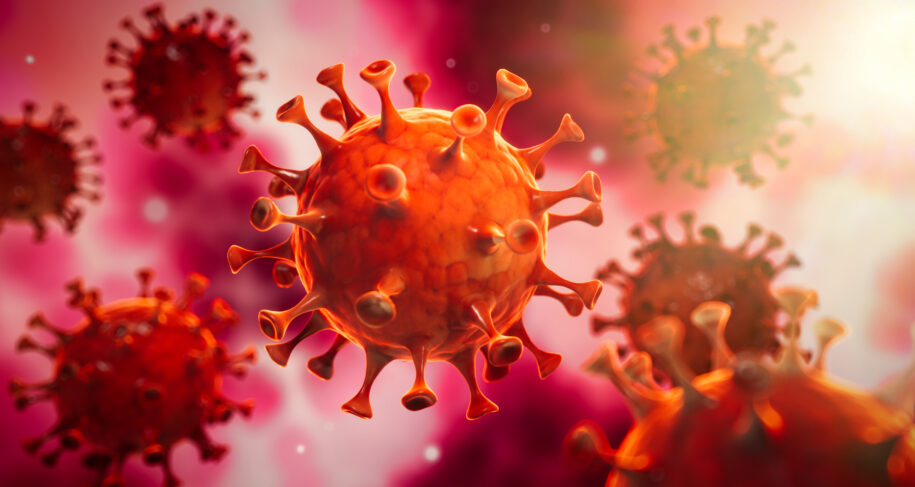
The relationship between the spike protein and Long COVID.
Scientists, medical doctors, and alternative medicine doctors are engaged in research to find the cause of what is being called Long COVID.
Simply put, Long COVID is a variety of symptoms, in any combination or individually, that linger after being exposed to the COVID virus or even vaccines. Read more about the various and lasting health symptoms here.
The coronavirus has one very important component – a spike protein. It’s the key player responsible for how the virus enters your body’s cells. Residual spike protein, likely from infected cells the immune system missed, is the most likely cause of persistent symptoms known as long COVID.
What is the spike protein?
The spike protein (read more here) is a tiny, spiky club on the surface of the virus. It attaches to your cells then this fusion at the cell surface opens the door for viral entry into that host cell.
The main binding receptor of SARS-CoV-2 is ACE 2—a protein that plays a role in regulating blood pressure and inflammation. It is found on the surface of cells in many organs, especially:
|
|
|
|
|
|
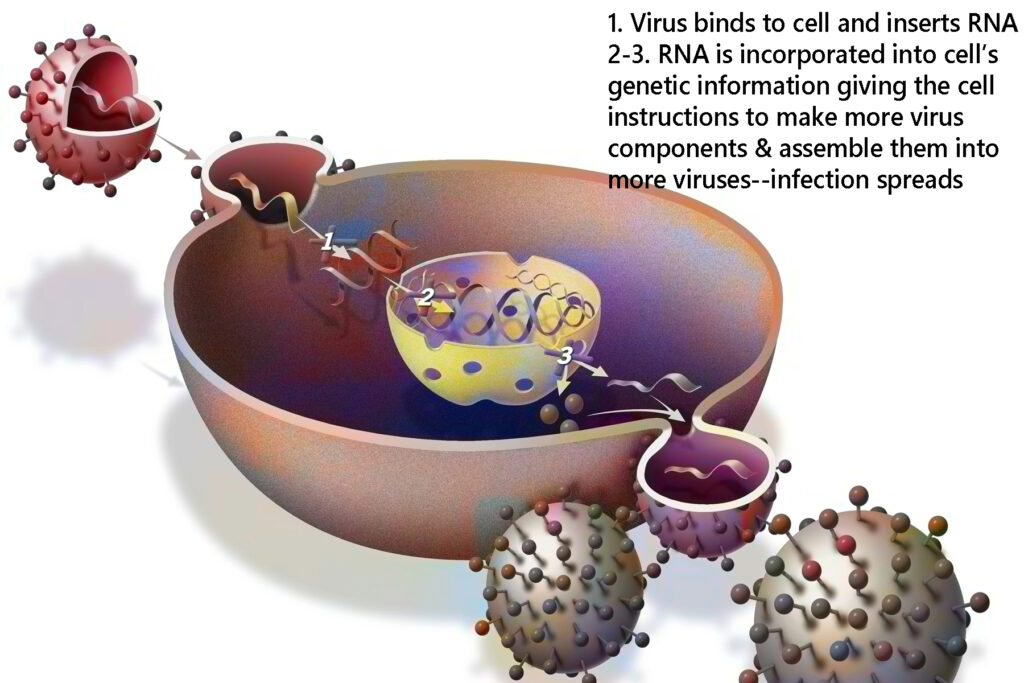 Like a lock and key: The spike protein is the key that unlocks the ACE 2 receptor for entry. The COVID virus spike protein opens the door for viral entry into the cell.
The regions of the brain high in ACE 2, control other systems in the body that are part of the symptom pattern of long COVID. ACE 2 is also high in the brains of those with Alzheimer’s disease. As reported in MedPage, another study found that the spike protein accumulates in the skull and brain of COVID patients.
How does the spike protein cause problems?
Once the virus is in, your cells are tricked. The virus takes over the cell’s machinery (its DNA blueprint) and starts telling the infected cells to follow its own instructions rather than do the cell’s job—that causes all sorts of trouble. These usurped jobs have nothing to do with keeping your cells healthy and alive—they have everything to do with multiplying the SARS-COVID-2 virus in you.
A recent issue of Scientific American covered a study being done on Long Covid patients having spike proteins in their blood. The findings of the research suggest that some people with the condition never fully cleared the virus. Saketh Kapoor, PhD, of the Helmholtz Center Munich. states:
“The lingering effects of SARS-CoV-2 infection and that of the persistent viral spike protein need to be decoded in detail,”
“Our paper suggests that the SARS-CoV-2 spike protein can accumulate in the brain and cause cell death, highlighting a direct effect on brain tissue.”
“The dysregulated molecular maps may better explain clinical symptoms associated with neurological dysfunctions presented in long COVID.”
Why are COVID symptoms, especially long COVID, so complex?
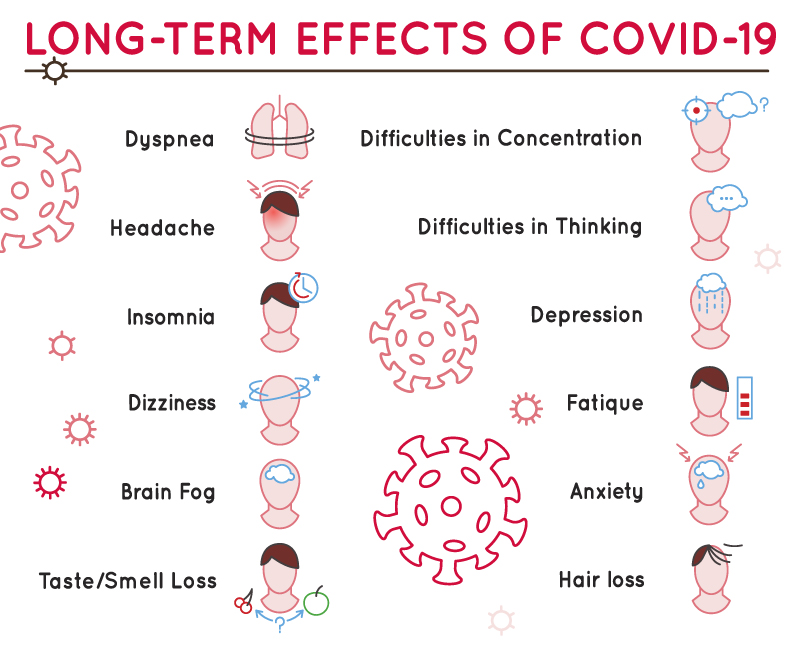 Because so many organs and systems have the ACE 2 entry door, and the affected brain regions control many other organs and systems, the myriad of symptoms caused by COVID, acute or long, is extremely complex.
More than 200 symptoms affecting different organs and systems have been reported as Long COVID also known as post-acute COVID-19 syndrome (PACS). In other words, following the acute phase where the virus can be detected, usually a short flu-like phase, certain symptoms persist far longer—well beyond detection by COVID tests. At least 30 percent of individuals continue to have symptoms for at least a year after the initial infection. `
The most common long-term symptoms are:
- fatigue (52%),
- cardiorespiratory symptoms (30–42%),
- neurological symptoms (40%), including dysregulation of the nervous system resulting in malfunctions of functions like heart rate, blood pressure, digestion, and temperature regulation
In general, these 35-51 percent of individuals depending on heritage develop long COVCD or post-acute CoViD-19 syndrome (PACS) that lasts 35 weeks and beyond following acute CoViD-19. These individuals report multi-system, cognitive, and neurologic symptoms and cannot return to previous levels of athleticism, work or regular lifestyle activities.
The intact spike protein found in an individual’s blood could indicate that infected cells missed by the immune system are to blame for long COVID.
If you’ve seen me for Nutrition Response Testing, you know that I check proper nervous system regulation at every visit. Now my training includes the ability and testing kits to test and address which stressor is causing this. Is it…
- Residual COVID and/or its RNA?
- Spike Protein (residual from either the virus itself or the vaccine)?
- Shedding from others who received the vaccine?
- Chemicals (aluminum, oil emulsions…) and other factors aimed at boosting the immune response to the mRNA or spike protein used in the vaccine?
With Nutrition Response Testing, if a stressor involves one or more of these factors, we’ll know. Once we know, something can be done about it.
One of the alternative medicine doctors researching this phenomenon is Dr. Freddie Ulan, the founder of Ulan Nutritional Systems (UNS) and Nutrition Response Testing®. According to Dr. Ulan:
“Most people’s immune system recognizes the spike protein and deals with it. This is because other illnesses, such as the common cold, also have spike proteins.”
Dr. Ulan emphasized that in susceptible individuals the spike proteins produce the Long Covid symptoms because of their affinity for the brain and nervous system, the cardiovascular system, lungs, and kidneys.
In addition to the five initial common stressors I test every visit, we now have the “6th Stressor”. All the factors that could be responsible for a given set of Long COVID symptoms if that is causing health problems. If these factors are active in the body, they must be addressed as a priority for healing. In this way, we can identify the precise nutritional support your body needs to repair itself, resolve lasting COVID factors, and return you to the optimal health you deserve.
See me right away to benefit from this incredible updated procedure.
In The Long COVID Series:
Respiratory viruses (including Flu, COVID, and rhinovirus) Medical guidelines? Are they working?
Beyond the Battle: Fixing the Effects of Long COVID, Vaccine-related Symptoms, and Even Seasonal Flu
Spike proteins and long COVID: A deeper dive and hope
The Long COVID dilemma: Emerging Insights Changing Lives—Breakthrough Testing
Boost Your Immune System; Here’s How to Defeat Corona VIruses (COVID-19) and Flu Viruses Naturally
As a specialized Nutrition Response Testing practitioner, see me right away to benefit from this incredible updated procedure. Call 907-222-1824
References
Chiappelli, F., & Fotovat, L. (2022). Post acute CoViD-19 syndrome (PACS) – Long CoViD. Bioinformation, 18(10), 908–911.
González, L. A., León-Reyes, G., & León-Juárez, M. (2023). Dynamics of the Microbiota and Its Relationship with Post-COVID-19 Syndrome. International journal of molecular sciences, 24(19), 14822.
Kanuri, S. H., & Sirrkay, P. J. (2024). Adjuvants in COVID-19 vaccines: innocent bystanders or culpable abettors for stirring up COVID-heart syndrome. Therapeutic advances in vaccines and immunotherapy, 12, 25151355241228439.
Li, S., Sun, J., Li, H., Han, Z., Wang, T., Gao, S., Zhu, P., Chen, Y., Yan, P., Wang, M., & Liu, G. (2025). Expression of SARS-CoV-2 entry receptor ACE2 in human brain and its association with Alzheimer’s disease and COVID-19. Molecular psychiatry, 30(7), 3257–3268.
McLachlan C. S. (2020). The angiotensin-converting enzyme 2 (ACE2) receptor in the prevention and treatment of COVID-19 are distinctly different paradigms. Clinical hypertension, 26, 14.
Moreno-Corona, N. C., López-Ortega, O., Pérez-Martínez, C. A., Martínez-Castillo, M., De Jesús-González, L. A., León-Reyes, G., & León-Juárez, M. (2023). Dynamics of the Microbiota and Its Relationship with Post-COVID-19 Syndrome. International journal of molecular sciences, 24(19), 14822.
Plummer, A. M., Matos, Y. L., Lin, H. C., Ryman, S. G., Birg, A., Quinn, D. K., Parada, A. N., & Vakhtin, A. A. (2023). Gut-brain pathogenesis of post-acute COVID-19 neurocognitive symptoms. Frontiers in neuroscience, 17, 1232480.
Leave a Reply
You must be logged in to post a comment.